Key takeaways
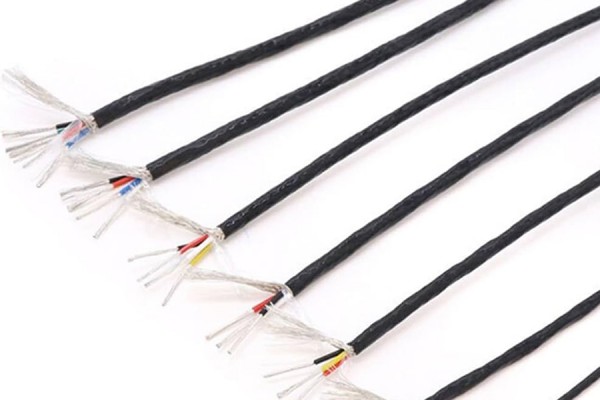
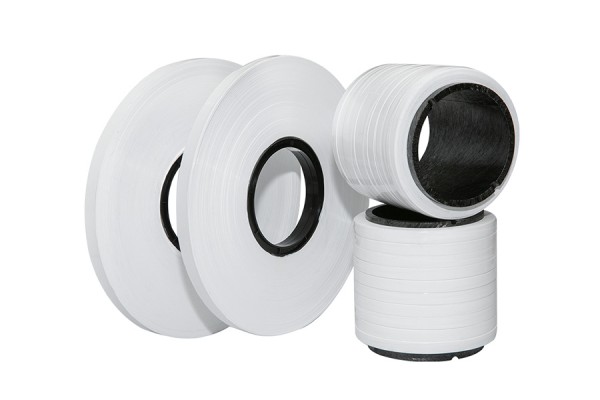
PTFE high-speed cable film stands out for reliable performance across extreme temperatures, light weight, and robust shielding. Its operating range from -200°C to 260°C, with short-term exposures above 300°C, supports demanding aerospace, automotive, and industrial environments, where thermal stability protects signal integrity. The film’s low dielectric constant and strong electromagnetic shielding reduce attenuation and EMI, enabling clearer, more stable high-frequency transmissions in RF and microwave cables. Its chemical inertness and flame retardance contribute to durability and safety in harsh conditions, while the thin, flexible profile streamlines assembly and routing in compact systems. This combination of properties also supports longevity and reduced maintenance, aligning with industry standards for durability and performance. PTFE high-speed cable film’s lightweight nature aids in flexible cable design, contributing to easier installation in tight spaces and complex layouts. Looking forward, improvements in processing and sustainable materials point to recyclable or reusable solutions, smart cable concepts, and continued expansion into 5G, data centers, and aerospace networks. The takeaway is clear: PTFE high-speed cable film enables fast, reliable data transmission without compromising resilience.
Innovative uses of PTFE Cable Film
PTFE cable film has found numerous innovative applications across various sectors due to its unique properties. As a key material for high-speed transmission line PTFE wrapping tape, it plays a vital role in enhancing the performance and durability of electronic systems. The insulation provided by PTFE wrapping film is crucial for protecting sensitive components from environmental factors, ensuring reliable operation in demanding conditions. In communication systems, PTFE cable wrapping tape is employed to optimize signal integrity, making it indispensable for high-frequency applications such as RF and microwave cables. Furthermore, products like DAC high-speed cable wrapping film and AEC high-speed cable wrapping film leverage the lightweight and flexible nature of PTFE, leading to improved assembly processes in modern electronics. The versatility of PTFE also extends to its use in coatings; PTFE cable roll coating improves durability while maintaining minimal thickness. Such innovations underline the importance of PTFE in advancing technology by providing robust solutions that meet the evolving demands of high-speed communication and electronic devices.
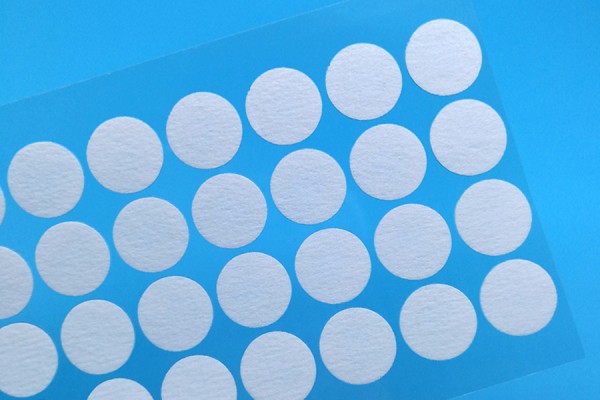
Key properties of PTFE High-Speed Film
PTFE high-speed cable film is recognized for its excellent properties, making it suitable for various advanced applications. One key characteristic is its low thermal expansion coefficient, which contributes to stability in high-temperature environments. This film efficiently withstands extreme temperatures, operating reliably from -200°C to +260°C and enduring short-term exposure beyond 300°C. In addition to thermal resistance, it offers strong electromagnetic shielding capabilities. The material effectively reduces electromagnetic interference, ensuring effective signal integrity in sensitive electronic systems. The lightweight and thin profile of PTFE high-speed film aids in ease of processing, appealing to manufacturers seeking efficient materials for production. Its durability is further enhanced by remarkable chemical inertness and flame retardance, making it a practical choice for industries like aerospace and automotive where severe conditions are common. The combination of these properties not only improves performance but also extends the lifespan of electronic components utilizing this innovative cable film.
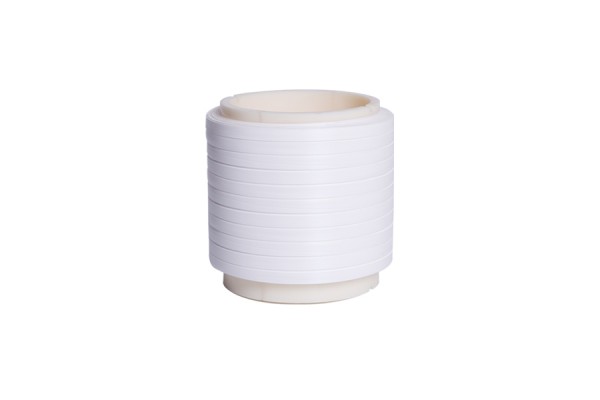
Thermal resistance in Cable Applications
PTFE high-speed cable film exhibits remarkable thermal resistance, making it suitable for various cable applications that require effective performance in extreme temperatures. Its composition allows it to operate efficiently within a temperature range of -200°C to +260°C, handling short bursts beyond 300°C without structural compromise. This capability is vital for industries such as aerospace and automotive, where components often encounter severe thermal conditions. The film’s low thermal expansion coefficient helps maintain dimensional stability, crucial for ensuring signal integrity and mechanical reliability in high-temperature environments. Furthermore, its ability to provide consistent insulation under varying thermal conditions enhances the durability of cables used in demanding applications like RF and microwave communication systems. As technology advances and equipment demands increase, the importance of utilizing materials like PTFE with superior thermal resistance will only grow, ensuring long-lasting performance in critical applications.
Electromagnetic shielding benefits
PTFE high-speed cable film provides exceptional electromagnetic shielding, which is crucial in modern electronic and communication systems. Its unique composition effectively reduces electromagnetic interference (EMI), allowing for clear signal transmission without disruption. The lightweight structure of PTFE enhances its practicality in applications that demand stringent shielding solutions while minimizing overall weight. This property is especially beneficial in RF and microwave communication systems where signal clarity is essential. Furthermore, the anti-electromagnetic interference features of PTFE films contribute significantly to the reliability of electronic devices, reducing potential malfunctions caused by external electromagnetic sources. By ensuring consistent performance across a wide range of frequencies, PTFE high-speed cable film improves the overall efficiency and durability of electronic components.
Applications in Communication Systems
PTFE high-speed cable film plays a critical role in advanced communication systems, where reliable signal transmission is vital. Its unique properties, such as low dielectric constant and high thermal resistance, make it particularly valuable for RF and microwave communication applications. The film enhances signal integrity by preventing electromagnetic interference, ensuring clear and stable communication lines even in high-frequency environments.
In 5G technology, the demand for fast and efficient data transfer is paramount. The lightweight and flexible characteristics of PTFE cable film facilitate the development of compact cables that can fit into tight spaces while maintaining performance standards. Thus, it supports the installation of infrastructure that can handle extensive data traffic without compromising on speed or reliability.
Furthermore, its resistance to extreme temperatures allows these cables to function optimally in various environments, making them suitable for both urban settings and harsh outdoor conditions. The durability of PTFE cable film underpins its use in telecommunications networks that require consistent performance over extended periods. As these technologies evolve, the incorporation of PTFE high-speed cable film is set to expand further in innovative communication solutions.
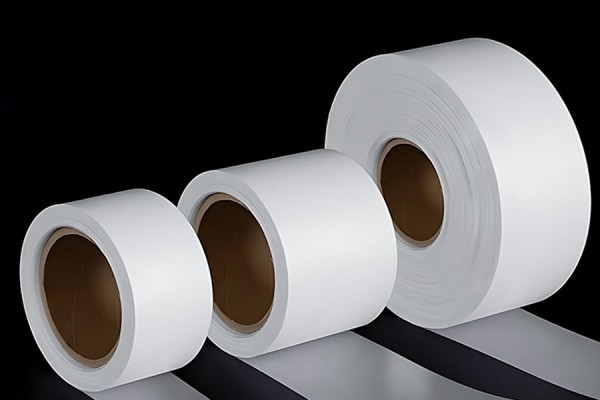
High-Speed Transmission Solutions
PTFE high-speed cable film plays a significant role in high-speed transmission systems due to its unique properties. This material excels at minimizing signal attenuation, which is essential for maintaining signal integrity over long distances in advanced communication technologies. The lightweight and flexible nature of PTFE film allows it to be easily integrated into various applications, enhancing the performance of RF cables and microwave communication systems. Moreover, its low dielectric constant is particularly advantageous for high-frequency signal transmission, reducing energy loss and improving efficiency. With the increasing demand for faster data transfer rates in industries such as telecommunications and data centers, the adoption of PTFE cable film in high-speed transmission solutions has become crucial. Its exceptional thermal resistance ensures reliable operation in challenging environments, making it a preferred choice for manufacturers aiming to meet the rigorous demands of modern technology. As industries continue to move towards higher speeds and more reliable connections, PTFE high-speed cable film remains a key component in achieving these advancements.
Durability and Performance Standards
The durability of PTFE high-speed cable film is assessed through various performance standards, which measure its ability to withstand harsh conditions and maintain functionality over time. Key metrics include the thermal expansion coefficient, which indicates how the material reacts to temperature fluctuations. A low thermal expansion coefficient is desirable as it minimizes dimensional changes in extreme environments, ensuring reliable performance.
Additionally, the strength and stability of the cable film are evaluated based on temperature resistance, thickness, and shielding effectiveness. A robust structure allows the film to endure significant mechanical stress while retaining its insulating properties. The high-temperature tolerance of up to 260°C, with brief exposures exceeding 300°C, demonstrates its capability for applications in demanding settings.
Furthermore, essential aspects such as attenuation and shielding performance are critical for assessing signal integrity in communication systems. high quality PTFE films exhibit low attenuation levels, which contribute to efficient signal transmission essential for modern high-speed applications. These standards collectively ensure that PTFE high-speed cable film not only meets but often exceeds industry requirements for durability and performance in various technological fields.
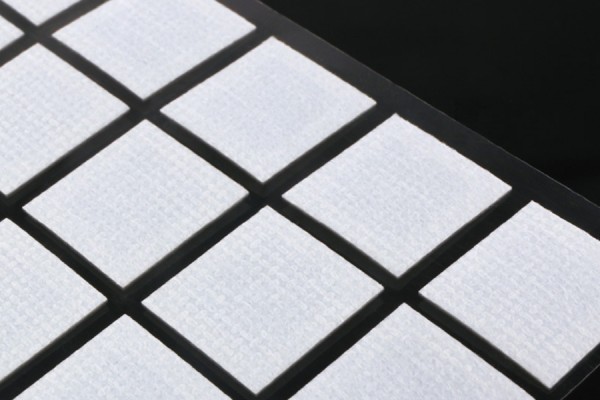
Future trends in Cable Technology
The future of cable technology appears promising, driven by the rising demand for high-performance materials like PTFE high-speed cable film. As industries increasingly embrace automation and advanced communication systems, the need for cables that can withstand extreme conditions will grow. Innovations in manufacturing processes are likely to enhance the properties of PTFE films, leading to even better thermal resistance and electromagnetic shielding capabilities. Furthermore, the integration of smart technologies will facilitate the development of cables that monitor their own performance and environmental conditions. This shift can lead to proactive maintenance solutions, reducing downtime and ensuring reliable operations in critical settings. The ongoing evolution of 5G technology will also play a significant role, necessitating cables capable of supporting higher data transmission speeds while minimizing signal loss. Ensuring sustainability through recyclable materials may also become a focal point in cable development, aligning with global environmental initiatives. Overall, these trends highlight an exciting trajectory for cable technology as it adapts to meet modern demands and challenges.
Conclusion
PTFE high-speed cable film is a transformative material in modern technology, particularly due to its unique properties. Its exceptional thermal resistance and electromagnetic shielding capabilities position it as an essential component in advanced communication systems and high-speed transmission solutions. As industries demand reliable and efficient performance under extreme conditions, the role of PTFE continues to expand. The film’s ability to minimize signal attenuation and maintain integrity over long distances is critical for the evolving landscape of telecommunications, including the push toward 5G networks. Looking ahead, ongoing innovations in this field will likely improve PTFE’s properties further, addressing new challenges while ensuring sustainability in cable technology. Thus, the integration of PTFE high-speed cable film will remain vital in supporting the advancement of electronics and communication systems. The future developments within this domain will undoubtedly shape how technology adapts to meet ever-increasing demands for speed, reliability, and performance.
FAQs
What is PTFE high-speed cable film?
PTFE high-speed cable film is a specialized material used for insulation and protection in high-speed communication and electronic systems.
What are the benefits of using PTFE cable film?
PTFE cable film provides excellent thermal resistance, electromagnetic shielding, and durability, making it ideal for demanding applications.
How does thermal resistance impact cable performance?
Thermal resistance ensures that cables can operate effectively in extreme temperatures, maintaining signal integrity and mechanical reliability.
Can PTFE high-speed cable film reduce electromagnetic interference?
Yes, PTFE cable film effectively minimizes electromagnetic interference (EMI), which enhances signal clarity in sensitive electronic devices.
In what applications is PTFE high-speed cable film commonly used?
This type of cable film is widely used in telecommunications, aerospace, automotive industries, and any systems requiring efficient data transmission.
What are the performance standards for PTFE high-speed cable film?
Performance standards include thermal stability, mechanical strength, signal attenuation levels, and shielding effectiveness against electromagnetic interference.
How does the flexibility of PTFE cable film benefit manufacturers?
The lightweight and flexible nature of PTFE makes it easier to integrate into various designs while improving manufacturing efficiencies.