important Takeaways
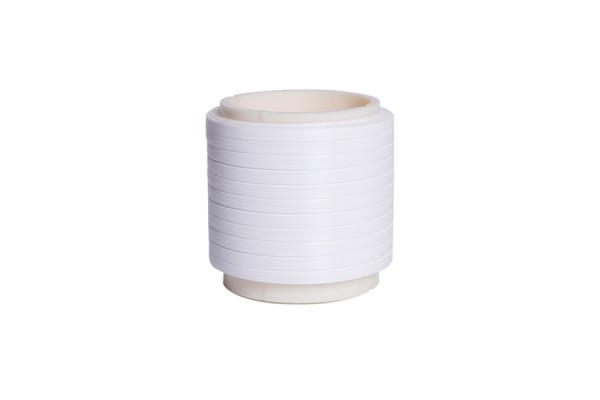
The distinctive qualities of ePTFE membranes underscore their value across several industries. Their porous framework enables efficient vapor transmission and, at the same time, serves as a dependable barrier against liquids. This dual role is vital in medical devices where preserving sterility remains essential. In electronics, the low dielectric constant and thermal stability of ePTFE help improve signal integrity and overall performance. Also, ePTFE’s chemical resistance proves invaluable in environments exposed to harsh chemicals, ensuring durability and reducing maintenance costs. The blend of light weight with retained strength makes ePTFE particularly appealing to manufacturers seeking performance gains while optimizing material use. These membranes can be tuned in thickness and pore size, making them flexible for diverse applications, addressing the needs of industries from construction to healthcare. Overall, ongoing progress in ePTFE technology underscores its key role in boosting efficiency, safety, and innovation across several industrial scenes.
new ePTFE Membrane Design
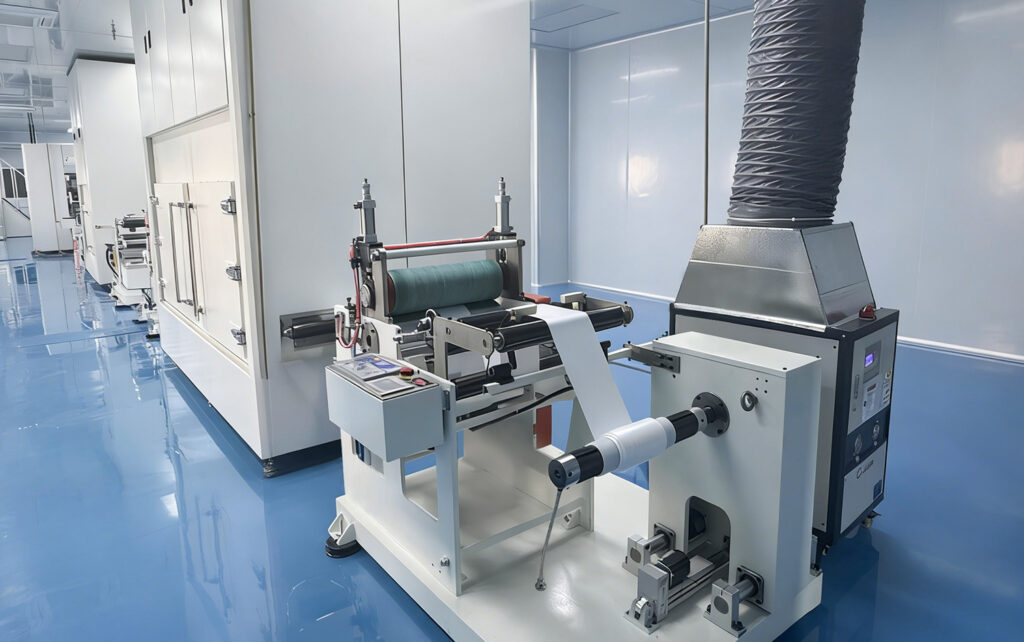
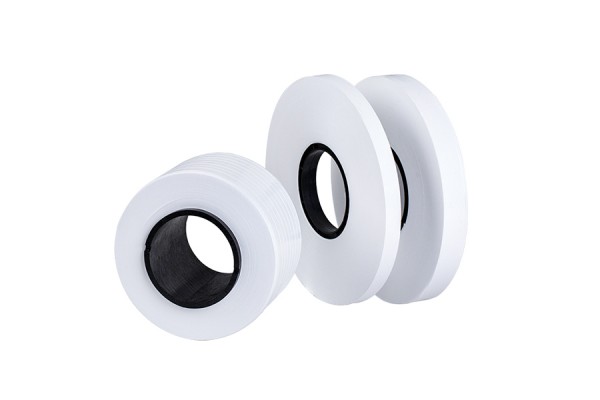
The design of new ePTFE membranes highlights their outstanding traits, which substantially boost performance across diverse applications. This porous material is engineered to reach a minimum pore size of 0.1 microns, enabling superior vapor permeability while preserving its airtight characteristics. Such traits render ePTFE membranes advantageous in sectors like aerospace and electronics, where high-speed transmission line PTFE wrapping tape and PTFE wrapping film are employed for optimal signal protection and insulation. Also, the distinctive composition of ePTFE contributes to its notable chemical stability, making it a strong candidate for demanding environments. Advanced manufacturing methods enable the creation of specialized products such as PTFE Thread Seal Tape and PTFE cable wrapping tape, providing tailored solutions to meet particular requirements. The increasing use of DAC high-speed cable wrapping film illustrates the flexibility of ePTFE design in emerging technologies, ensuring these membranes can support diverse electronic components without compromising performance or reliability.
Versatility of ePTFE Applications
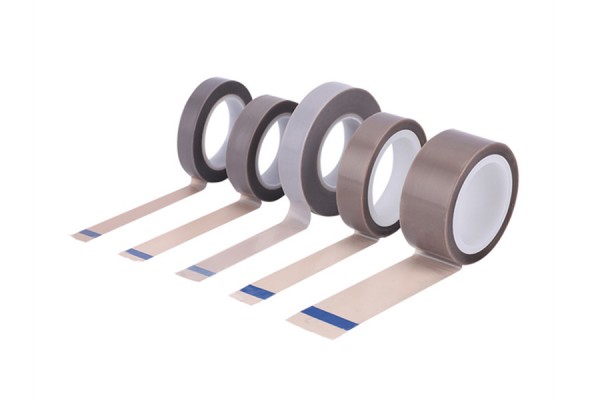
ePTFE membranes show notable versatility across multiple industries thanks to their distinctive properties. In medicine, these membranes are used for their biocompatibility, enabling them to support drug delivery systems and implantable devices. Their porous structure ensures optimal breathability while preventing contamination, which is central in surgical applications. In electronics, ePTFE plays a critical role in boosting component performance. Its superb electrical insulation properties make it ideal for high-frequency applications, contributing to effective signal transmission and diminished interference. Moreover, the waterproofing capabilities of ePTFE membranes are utilized in diverse sectors such as construction and outdoor gear. By reliably blocking water while permitting vapor transmission, they shield delicate equipment and preserve comfort in garments. The enduring chemical stability of ePTFE also enables usage in environments with harsh substances and extreme temperatures, ensuring durability and reliability across applications. Overall, the versatility of ePTFE membranes underscores their key contribution to advancing technology and safety across various domains.
ePTFE Membranes in Medical Devices
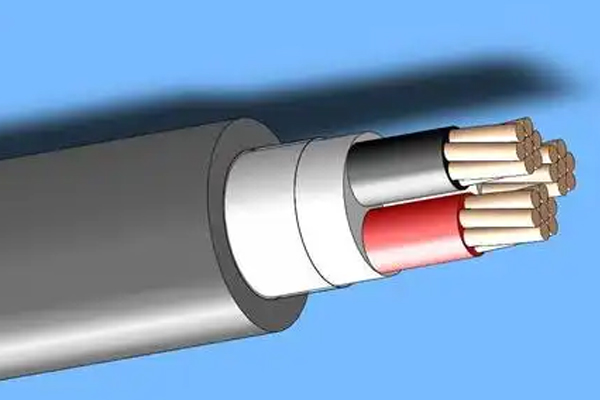
ePTFE membranes hold a central role in the medical device sector thanks to their distinctive properties. Their porous structure enables efficient transfer of gases and fluids, making them ideal for applications like respiratory devices, filtration systems, and surgical implants. The biocompatibility of ePTFE also ensures minimal adverse reactions when in contact with bodily tissues, making these barriers suitable for long-term implantation. Also, their chemical stability allows them to withstand various sterilization processes, which is essential for maintaining product integrity in medical environments. By incorporating ePTFE membranes, manufacturers can enhance the functionality and reliability of medical devices, addressing crucial needs in patient care and treatment effectiveness. In the growing field of regenerative medicine, ePTFE membranes support tissue engineering by providing a supportive scaffold for cell growth while enabling essential nutrient exchange. This blend of durability and effectiveness places ePTFE membranes as a core material in advancing medical technology and enhancing patient outcomes.
High performance of ePTFE in Electronics
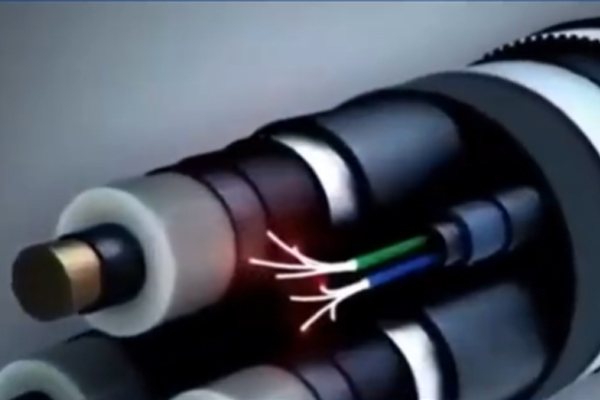
ePTFE membranes present notable performance traits suited to the electronics sector. Their low dielectric constant helps minimize signal loss, making them suitable for high-frequency applications. This trait is especially advantageous in telecommunications and data transfer technologies where signal integrity remains essential. Also, ePTFE’s thermal stability ensures consistent performance even amid extreme temperature fluctuations, a common challenge in electronic devices. Additionally, its low moisture absorption reduces the risk of corrosion and degradation in sensitive components. These membranes also play a critical role in insulating cables, boosting efficiency and safety in electronic systems. The combination of these features establishes ePTFE as a preferred material for producers aiming to improve the reliability and longevity of their electronic products. As technology advances, demand for high-performance materials like ePTFE is likely to rise, further solidifying its standing in the electronics market.
Waterproofing with ePTFE Technology
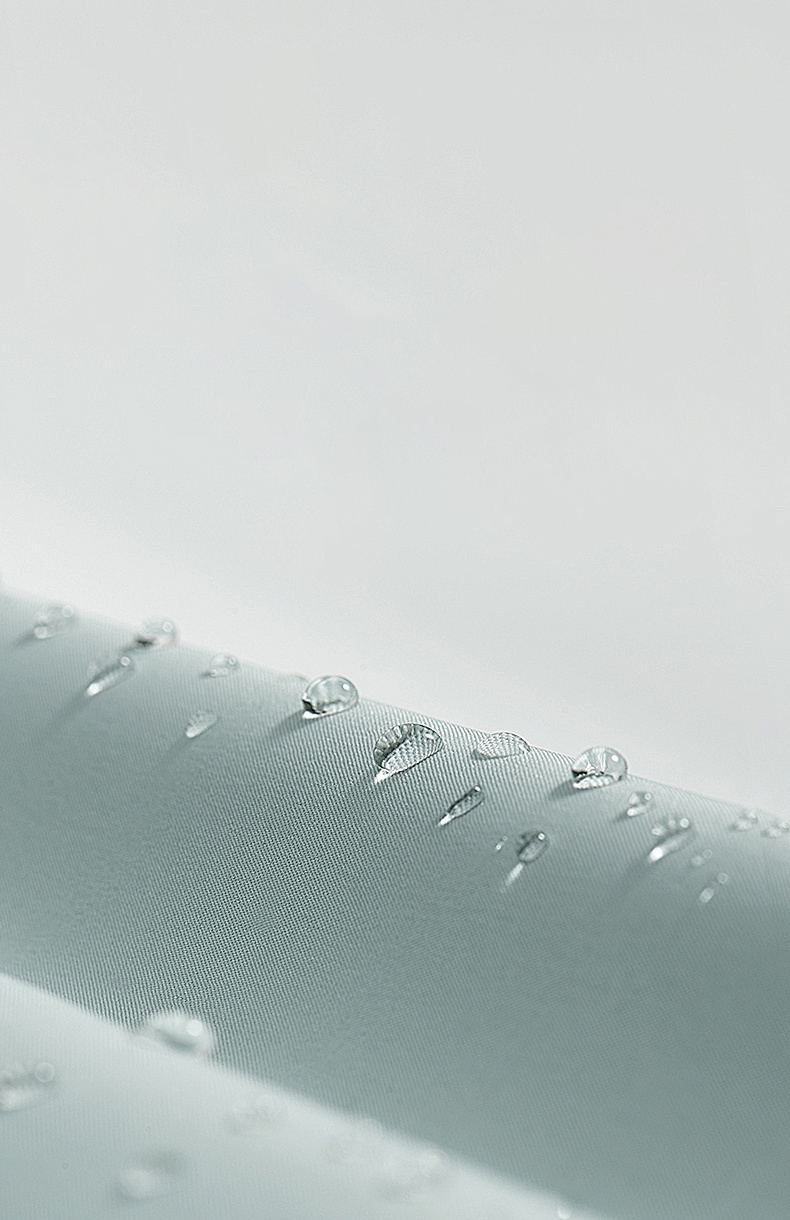
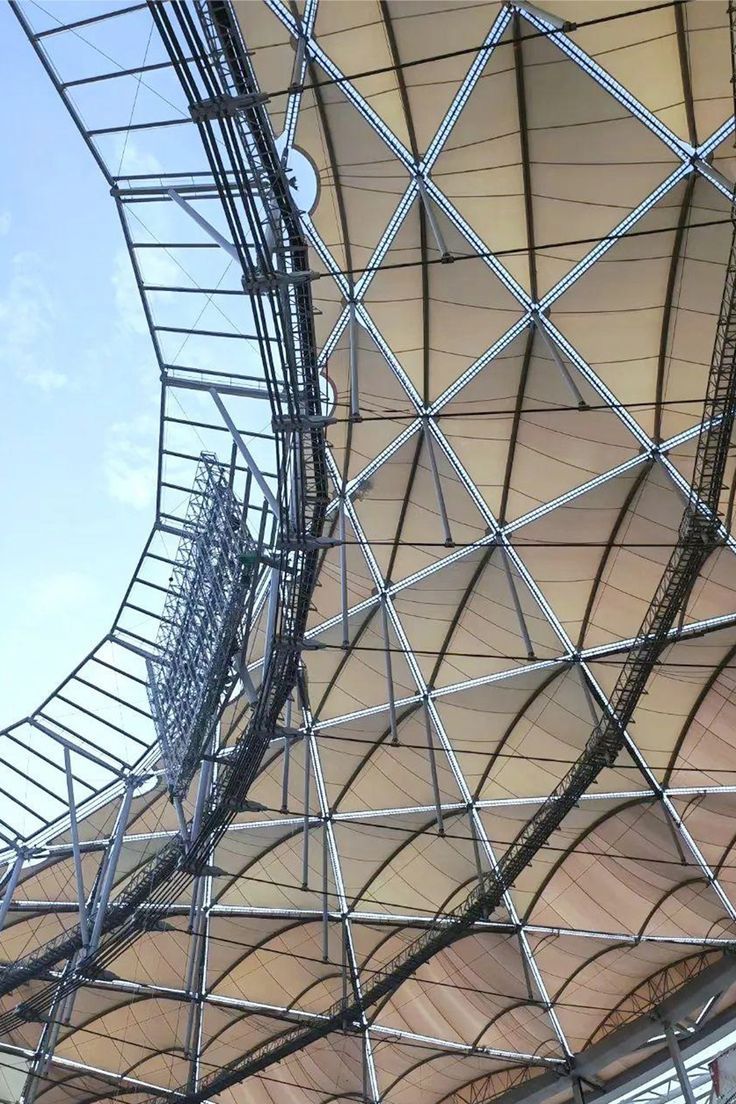
ePTFE technology plays a key role in delivering reliable waterproofing solutions, leveraging its distinctive porous structure. With a minimum pore size of 0.1 microns, ePTFE membranes permit water vapor to escape while preventing liquid water from penetrating. This trait makes ePTFE an excellent choice for outdoor gear, building facades, and medical applications where moisture control is essential. In construction, it can be integrated into barriers and roofing materials to create durable and dependable waterproof systems. Also, its chemical stability ensures it remains functional over time, even in challenging environments such as chemical processing plants or marine applications. The durability and performance of ePTFE also contribute to energy efficiency by reducing the need for frequent replacements or repairs. As industries seek materials that combine functionality with sustainability, ePTFE membranes stand at the forefront of delivering eco-friendly waterproof solutions while maintaining superior performance standards.
Chemical stability of ePTFE Membranes
The chemical stability of ePTFE membranes is one of their standout traits, making them suitable for a range of demanding applications. These membranes resist degradation when exposed to a broad range of chemicals, including acids, bases, and solvents. This resistance enables them to maintain integrity in harsh environments that would normally damage other materials. Their non-reactive nature ensures that they do not alter the properties of fluids passing through them, a critical factor in medical and industrial applications. Moreover, this stability extends the lifespan of devices utilizing ePTFE membranes, thereby reducing costs tied to maintenance and replacement. The porous structure also supports their chemical stability by providing a robust barrier without compromising performance. Consequently, ePTFE membranes are increasingly favored in sectors where reliability and durability matter most.
Understanding ePTFE Porous Structure
ePTFE membranes possess a distinctive porous structure defined by microscopic voids that enable selective permeability. These pores enable the material to effectively transport water vapor while blocking larger liquid water molecules, making it suitable for applications requiring moisture control. The minimal pore size, usually around 0.1 microns, boosts breathability without compromising waterproofing capabilities. Also, this structure plays a significant role in applications such as sound insulation and pressure regulation, where sound waves and gas must be managed efficiently. The adaptability of the ePTFE porous framework also leads to improved performance in various industries by enabling effective gas release in medical devices and maintaining signal integrity in electronic components. Understanding these structural features is key to leveraging the full potential of ePTFE membranes across diverse industrial applications.
main Advantages of ePTFE Materials
ePTFE materials provide several key advantages that make them well-suited for multiple industrial applications. Their distinctive porous structure enables excellent gas and moisture permeability while maintaining a barrier against liquids and larger particles. This trait proves especially beneficial in industries such as medical devices, where preserving sterility is important. Also, ePTFE exhibits outstanding chemical stability, making it resistant to harsh chemicals and extreme temperatures, which boosts its reliability in demanding environments. The low-friction properties of ePTFE contribute to reduced wear in mechanical applications, extending the lifespan of components like seals and gaskets. Moreover, its light weight without compromising strength makes it an attractive choice for many manufacturers aiming to optimize performance while reducing weight. The versatility of ePTFE allows customization in thickness and pore size, enabling innovations tailored to specific industry needs. These advantages collectively contribute to the rising preference for ePTFE materials across various sectors.
Conclusion
The original properties and versatile applications of ePTFE membranes reinforce their role as essential materials across multiple industries. Their notable chemical stability, light weight, and distinctive porous structure render them suitable for demanding environments, including medical devices and electronics. Moreover, their effectiveness in waterproofing solutions demonstrates the adaptability needed in construction and outdoor gear. As industries evolve and prioritize performance, demand for ePTFE membranes is expected to rise, underscoring their potential in future technological advancements. Their ongoing development is likely to foster further improvements in functionality, reliability, and sustainability across various applications. The future will reveal even more possibilities for ePTFE as new designs emerge, continuing to enhance safety and efficiency in industrial processes.
FAQs
What are ePTFE membranes?
ePTFE membranes are porous materials that permit gas and vapor permeability while blocking liquid water, making them suitable for numerous applications.
What industries commonly use ePTFE membranes?
ePTFE membranes are widely used in medical devices, electronics, and waterproofing solutions across many sectors.
How does the chemical stability of ePTFE benefit its applications?
The chemical stability of ePTFE enables it to resist degradation in harsh environments, which ensures reliability in critical applications.
What advantages does ePTFE offer over traditional materials?
ePTFE offers excellent moisture management, chemical resistance, and low friction properties, making it ideal for numerous industrial uses.
Can ePTFE membranes be customized for specific applications?
Yes, the thickness and pore size of ePTFE membranes can be tailored to meet particular requirements across different industries.
How does the porous structure of ePTFE impact its performance?
The porous structure enables efficient gas transport while maintaining a barrier against larger liquid molecules, boosting functionality in various applications.
Are there any limitations to using ePTFE membranes?
While generally versatile and reliable, factors such as cost and particular application requirements may limit their use in certain situations.