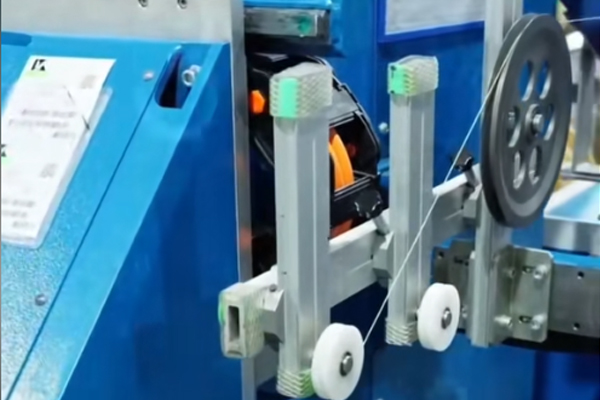
main Takeaways
PTFE high-speed cable film is integral to modern electrical applications due to its robust features. The film excels at maintaining performance under extreme conditions, making it ideal for industries where reliability is non-negotiable. Users benefit significantly from its lightweight and flexible nature, allowing for easier installation in tight spaces without sacrificing durability. Its low dielectric constant ensures minimal signal loss, enhancing data transmission capabilities important in high-frequency applications like 5G technology. furthermore, the effective electromagnetic shielding provided by PTFE reduces interference, supporting clear and stable communications. Overall, this technology not only meets but often exceeds the expectations of advanced electrical systems, positioning it as a preferred insulation material across various sectors.
PTFE Cable Film Advantages
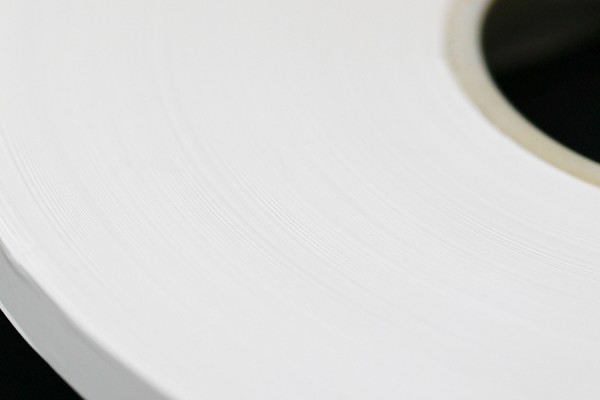
PTFE high-speed cable film is engineered for performance in demanding applications, offering main benefits for electrical insulation. Its remarkable durability under high temperatures makes it a top choice for environments where traditional materials might fail. The film’s lightweight and thin design not only reduces bulk but also simplifies installation processes, especially in tight spaces. With superior flexibility, it can conform to various shapes while maintaining integrity, making it ideal for complex wiring systems in both aerospace and automotive sectors.
Moreover, the microporous structure of the PTFE wrapping film contributes to its low dielectric constant, ensuring that signal quality remains intact during high-frequency transmission. The advanced electrical insulation properties enable reliable performance even in extreme conditions. This quality makes PTFE cable wrapping tape a preferred option for high-speed transmission line insulation layers and 5G applications, where ensuring both signal clarity and protection from interference is main. High-speed and high-frequency cable wrapping film is not just functional but also integral to modern technology’s reliance on effective insulation solutions.
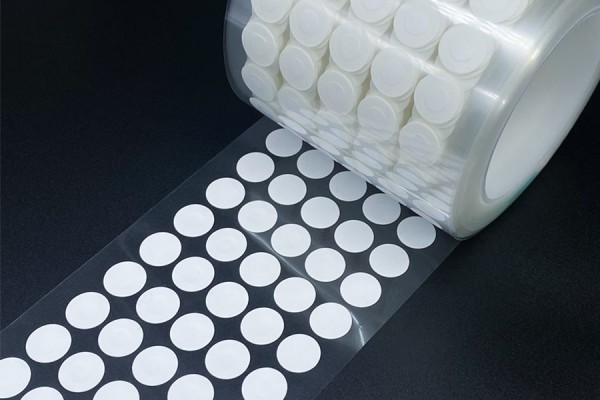
Durability in High Temperatures
PTFE high-speed cable film is engineered to withstand extreme temperature conditions, maintaining its integrity across a wide range. It operates efficiently within temperatures spanning from -200℃ to +260℃, and handles brief spikes beyond 300℃ without degrading. This resilience is main for applications in demanding environments such as aerospace and automotive industries, where temperature fluctuations are common. The film’s exceptional thermal properties ensure that it remains stable and functional, safeguarding the performance of electrical insulation systems. In addition, its lightweight structure contributes to easy handling while enhancing flexibility, making it suitable for various configurations and installations. Despite exposure to high heat and stress, PTFE film continues to deliver reliable performance, proving its worth in critical applications that prioritize durability and longevity. This stability under thermal challenges highlights the film’s role as a vital component for modern electronic systems.
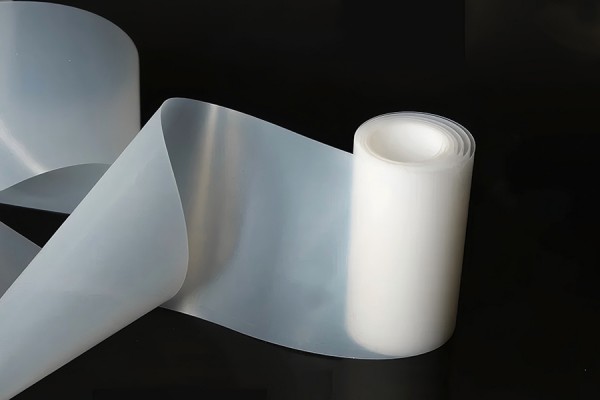
Flexible insulation solutions
the PTFE high-speed cable film provides remarkable flexibility, making it suitable for various difficult applications. Its lightweight and thin construction allow for easy integration into compact designs, main for modern electronic devices. The microporous structure of the film further enhances its insulation capabilities, offering a low dielectric constant that is essential for high-frequency signal transmission. This flexibility is not limited to physical characteristics; it also extends to its performance across a wide temperature range. The material maintains its insulating properties under severe thermal conditions, ensuring that it can withstand environmental stress without compromising on quality. Such characteristics make the PTFE cable film an excellent choice for dynamic environments where conventional insulation solutions may fall short. Whether used in automotive wiring harnesses or aerospace applications, its adaptability underlines its reliability and effectiveness in sustaining electrical performance.
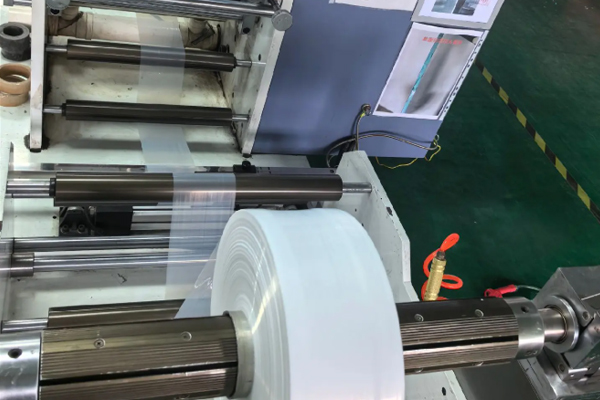
Exceptional performance standards
PTFE high-speed cable film is engineered to meet demanding performance expectations across various applications. Its remarkable ability to maintain dielectric strength ensures reliable insulation in both high-frequency and high-voltage environments. This film excels in preserving signal integrity, thanks to a low thermal expansion coefficient that minimizes distortion during temperature fluctuations. furthermore, the cable film’s robust shielding capabilities effectively block electromagnetic interference, enhancing overall performance in sensitive electronic systems. The lightweight and thin profile of the film further contributes to its adaptability, making it suitable for complex wiring configurations without adding bulk. With resistance to heat and chemical exposure, PTFE cable film remains a dependable choice for critical applications like aerospace and automotive industries, where safety and functionality are paramount. As technology advances toward higher frequencies and power loads, this product continues to prove its worth by delivering consistent quality and durability under pressure.
Ideal for 5G Applications
PTFE high-speed cable film significantly enhances the performance of 5G applications. Its low dielectric constant and excellent flexibility ensure minimal signal loss and maintain high fidelity for data transmission. The cable film can operate effectively in environments where traditional materials may fail, particularly in the high-frequency range required for 5G technology. The durability of PTFE against extreme temperatures further supports its reliability in various outdoor installations, including base stations and antennas. Moreover, its strong electromagnetic shielding minimizes interference from external signals, which is essential in densely populated urban areas where 5G networks operate. By integrating PTFE high-speed cable film into their systems, manufacturers can achieve improved signal quality and operational efficiency, ensuring seamless connectivity in the next generation of communication systems. This material is a strategic choice for industries seeking to leverage the full potential of 5G technology while meeting rigorous performance standards.
Reliable signal quality
PTFE high-speed cable film is designed to ensure reliable signal quality, especially in high-frequency applications. Its low dielectric constant allows for minimal signal loss, which is essential for efficient data transmission. The material’s exceptional insulation properties help maintain signal integrity even in challenging environments. also, the film’s ability to resist electromagnetic interference plays a critical role in reducing cross-talk between cables, further enhancing overall communication performance.
Its microporous structure contributes to this reliability by providing an effective barrier against external disturbances while allowing flexibility that supports dynamic cable movements without compromising performance. As a result, this cable film is particularly suited for applications within 5G infrastructure and advanced communication systems, where signal clarity and stability are paramount. The combination of these features leads to improved data fidelity and transmission speed, making PTFE high-speed cable film a important component for modern electronic designs requiring optimal reliability.
Advanced electrical insulation
the PTFE high-speed cable film provides advanced electrical insulation due to its low dielectric constant and exceptional chemical stability. This ensures minimal energy loss during signal transmission, which is essential for maintaining signal quality in high-frequency applications. The film’s insulation properties perform effectively across a wide temperature range, ensuring reliability even in extreme environmental conditions. also, the microporous structure enhances flexibility, allowing easier integration with various conductor types and configurations. The combination of these qualities makes PTFE cable film highly effective for applications in 5G communication systems and aerospace technology, where reliable electrical insulation is important. Its ability to withstand harsh conditions without compromising performance highlights the film’s role in improving overall system efficiency and longevity. This advancement in electrical insulation supports the increasing demand for technological innovation across multiple industries.
Microporous structure benefits
the microporous structure of PTFE high-speed cable film provides notable advantages main for electrical insulation. This unique design contributes to a low dielectric constant, enhancing its effectiveness as an insulation layer, especially in RF and microwave communication cables. The microporous nature allows for adequate flexibility, enabling the cable to conform to various shapes without compromising the integrity of the insulation. This configuration also helps reduce the weight of the cables, facilitating easier installation and improved handling during maintenance. furthermore, the properties of this structure minimize signal attenuation, leading to more reliable signal transmission. The lightweight and flexible characteristics make PTFE cable film particularly well-suited for high-performance applications in industries such as telecommunications and aerospace, where performance and reliability are paramount under demanding conditions.
Conclusion
PTFE high-speed cable film stands out as a vital component for modern electrical systems. Its combination of durability, flexibility, and advanced insulation properties ensures that it meets the stringent demands of today’s high-frequency applications. The exceptional performance in extreme environments and the ability to maintain signal integrity make it especially helpful in sectors such as telecommunications and aerospace. As technology evolves, the need for reliable insulation solutions increases, making PTFE cable film a strategic choice for manufacturers aiming to optimize their systems. The film’s resistance to high temperatures ensures longevity and reliability, while its lightweight design facilitates integration into various applications. Ultimately, PTFE high-speed cable film not only supports current technological innovations but also positions itself as a main element for future advancements in electrical insulation.
FAQs
What is PTFE high-speed cable film?
PTFE high-speed cable film is a specialized insulating material designed to boost electrical performance, particularly in high-frequency applications.
What makes PTFE suitable for high-temperature applications?
PTFE can withstand extreme temperature ranges, functioning effectively from -200℃ to +260℃ and managing brief exposure to temperatures above 300℃, ensuring reliability in demanding environments.
How does the microporous structure of PTFE film improve performance?
The microporous structure offers a low dielectric constant and increased flexibility, which aids in maintaining signal integrity and reduces weight for easier installation.
Is PTFE cable film compatible with 5G technology?
Yes, PTFE high-speed cable film is highly effective for 5G applications due to its low signal loss and strong electromagnetic shielding, promoting clear data transmission.
What industries benefit from using PTFE high-speed cable film?
Industries such as telecommunications, aerospace, and automotive benefit significantly from PTFE high-speed cable film as it provides superior insulation properties in complex wiring systems.